Introduction
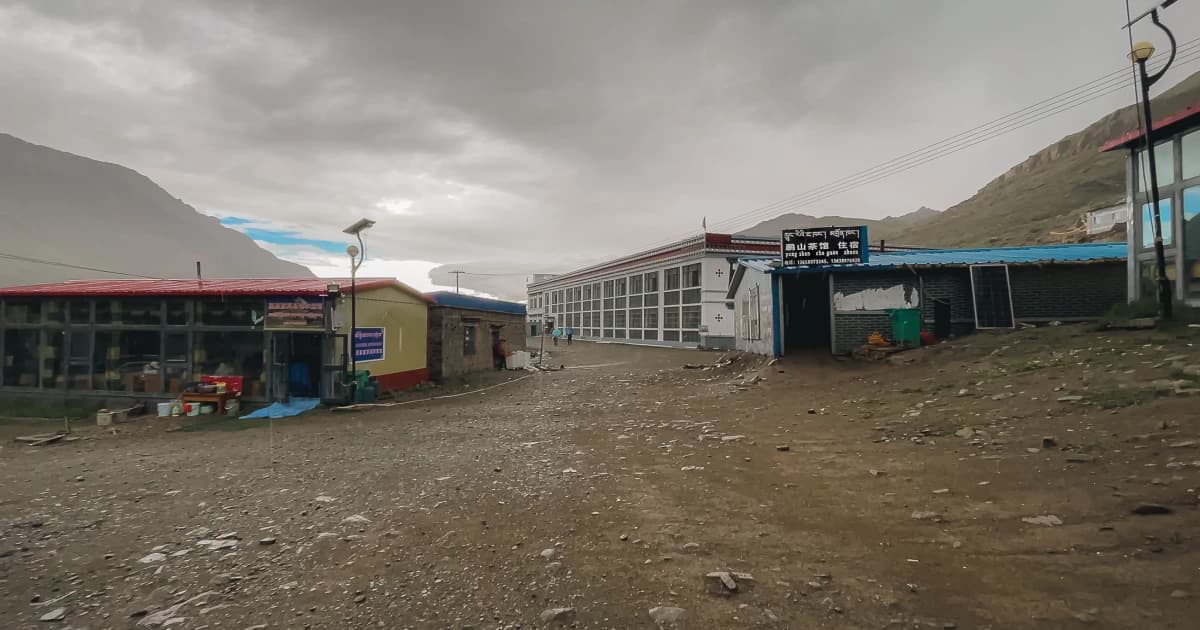
Zuthulphuk, located 5.3 nautical miles east of Mount Kailash, is a key stop on the sacred Kailash circuit route. On the second day of their journey around Mount Kailash, pilgrims pause here to rest after covering roughly 22 km. Zuthulphuk is the only place on the route with accommodations for pilgrims on this day. In the past, lodging was limited to the Zuthulphuk Monastery itself. Now, however, guesthouses and hotels are available for a more comfortable stay.
Of the four main monasteries located around Mount Kailash, Zuthulphuk Monastery is the last one pilgrims encounter along their journey. Also called the "Zutulphuk" or "Zutrulphuk" Monastery, it is known for its deep spiritual significance and captivating history.
Mythology of Zuthulphuk Monastery
The story behind Zuthulphuk Monastery is rooted in a historic clash of beliefs between Bon and Buddhism. In the 11th century, tension between these two religious traditions often led to conflict, even among spiritual leaders. During this time, a well-known event took place involving Milarepa, a revered Tibetan yogi, and Naro Bongchung, a Bon practitioner.
Milarepa arrived in the Kailash region to meditate, but Naro Bongchung, who followed Bon traditions, insisted that Kailash belonged to Yamdrung Bon and demanded Milarepa leave. Refusing to back down, Milarepa remained focused, undeterred by Naro Bongchung's attempts to intimidate him. They debated the correct direction for circumnavigating Kailash, with Naro Bongchung favoring a counterclockwise route and Milarepa supporting a clockwise path. The dispute escalated until Naro Bongchung threw a large rock at Milarepa. Remarkably, Milarepa caught the rock with his hand, leaving a permanent handprint as proof of his strength.
A monastery seemingly appeared near this rock, symbolizing the power of Milarepa's spirituality. In time, it became known as the "magical cave monastery"—a fitting name derived from the Tibetan words "Zutul" for magic and "Phuk" for cave.
Highlights of Zuthulphuk
Despite its simplicity, Zuthulphuk holds a strong spiritual importance. Here’s what visitors can look forward to when visiting:
- Sacred Cave: The main attraction is the cave where Milarepa is believed to have meditated. Inside, pilgrims can view Milarepa's handprint and footprint, symbols of his spiritual legacy.
- Basic Accommodations: Zuthulphuk offers simple lodging, including guesthouses and small hotels. While these accommodations provide essential items like beds and blankets, facilities such as running water or power can be limited.
- Prayer Flags and Mani Stones: Bright prayer flags and Mani stones line the Kailash region, creating an atmosphere of devotion and respect. These colorful flags, fluttering against the mountain backdrop, add a sense of sacredness to the journey.
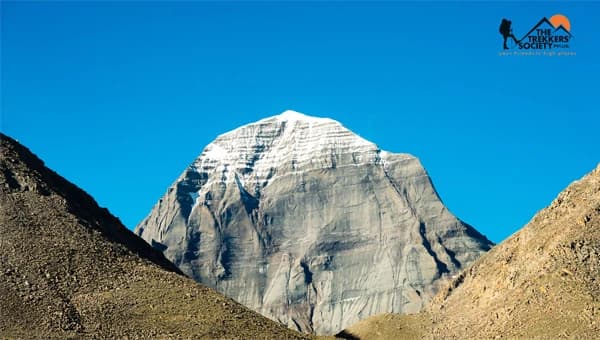
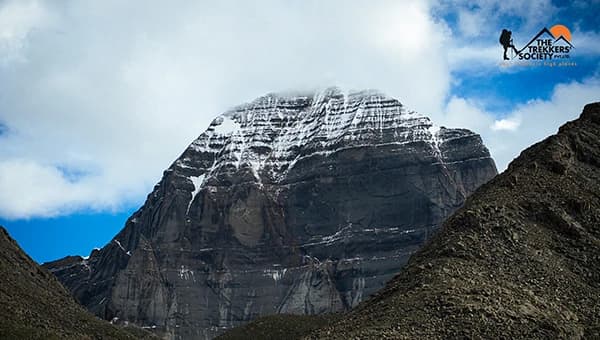
- Breathtaking Views: Zuthulphuk provides stunning views of Mount Kailash and surrounding landscapes. The stark terrain has a unique beauty, allowing travelers to connect with the natural surroundings and experience a deep sense of peace.
For more insights into Zuthulphuk and its spiritual history, visit our blog at The Trekker’s Society for related articles and updates.
Best Time to Visit Zuthulphuk
The best time to visit Zuthulphuk is between spring and fall, when the weather is warmer and access is easier. During summer, daytime temperatures range from 5°C to 15°C (41°F to 59°F), though it can get cold at night. Winter is less ideal due to heavy snowfall and freezing temperatures, which make travel nearly impossible.
If you're ready to embark on this sacred journey, explore our Kailash tour packages and bookings to start planning your visit to Zuthulphuk Monastery and beyond.